The Allure and the Abyss: Unpacking Slot Machine Addiction
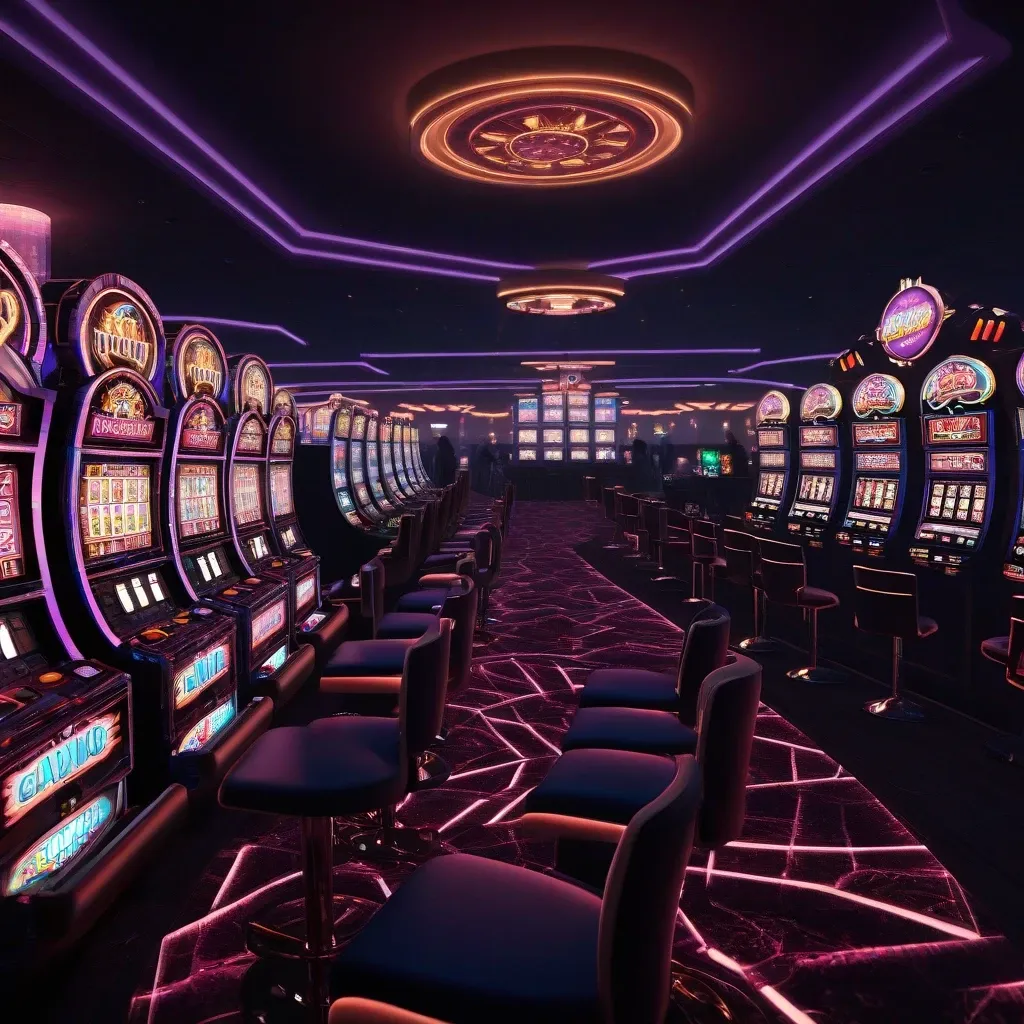
Walk into almost any casino, and you’ll be met with the dazzling lights and hypnotic sounds of slot machines. They’re ubiquitous, a staple of entertainment and, for many, a gateway to a complex and often perilous world. It’s easy to be drawn in by the promise of a quick win, the flashing displays, and the almost musical chime of even a small payout. But beneath this glittering surface lies a carefully crafted experience designed to captivate, and for a significant portion of the population, to ensnare. This isn’t accidental; the addictive potential of slot machines is a direct result of sophisticated psychological principles and cutting-edge technological design. We’re about to pull back the curtain on these hidden mechanisms, exploring why these particular casino games are so incredibly compelling and, for some, so devastatingly addictive.
The Untold Story of Slot Machines: From Novelty to Industry Powerhouse
It’s easy to dismiss the flashing lights and cheerful jingles of slot machines as mere background noise in the grand casino tapestry, a simple diversion for those seeking a bit of luck. Yet, beneath the surface of flashing lights and spinning reels lies a fascinating narrative of technological evolution and strategic financial dominance. What began as quaint mechanical novelties, requiring a physical pull of a lever and dispensing simple prizes, has morphed into the undisputed profit engine of the entire global gambling industry. These aren’t just games of chance anymore; they are meticulously engineered revenue generators, strategically positioned at the heart of casino operations.
From Levers to Buttons: The Technological Leap
The transition from mechanical marvels to sleek digital interfaces represents a seismic shift in slot machine design and play. Gone are the days of clunky levers and purely mechanical reel synchronization. The advent of microprocessors and digital displays ushered in an era of intricate programming, allowing for vastly more complex game mechanics, diverse bonus rounds, and lightning-fast gameplay. This technological leap didn’t just make the games prettier; it fundamentally altered the player experience, creating more dynamic, engaging, and ultimately, more captivating encounters with digital gambling.
The Profit Engine: Slot Machines’ Dominance in Casino Earnings
Forget the high-stakes poker tables and the sophisticated roulette wheels. When it comes to raw financial power, slot machines are the undisputed champions of casino earnings. Astonishingly, these machines consistently account for a staggering portion of a casino’s overall profit, with some estimates placing their contribution at around 85%. This isn’t by accident. Casinos meticulously analyze player behavior, deploying sophisticated algorithms and psychological design principles to make their slot machines as immersive and enduringly engaging as possible. The constant stream of smaller wins, coupled with the allure of life-changing jackpots, creates a powerful feedback loop, driving the considerable gambling industry profits and solidifying the slot machine’s position as the core of any lucrative casino business model.

The Psychology of the Spin: Core Mechanisms of Slot Machine Addiction
Understanding the intricate dance between players and slot machines requires a deep dive into the psychology of gambling. These seemingly simple devices are master architects of compulsion, meticulously designed to exploit fundamental aspects of human player motivation. At their heart lies a cunning application of a variable reward schedule, a principle that underpins many human desires and, unfortunately, many addictive behaviors. It’s this tantalizing unpredictability, the constant whisper of potential fortune, that keeps players hooked, their minds perpetually chasing the next elusive win. The allure isn’t just about the money; it’s about the thrill, the anticipation, and the peculiar satisfaction derived from the chase itself. This psychological framework isn’t accidental; it’s a carefully constructed environment that leverages our innate drive for reward and our susceptibility to the unpredictable nature of chance.
Variable Ratio Reinforcement: The Unpredictable Draw
At the very core of slot machine addiction lies the power of the variable ratio reinforcement schedule. Unlike predictable rewards, where you know exactly when a payoff will occur, this system delivers unpredictable rewards. Think of it this way: if you knew pressing a button would give you a treat every 10 presses, you might stop after a while. But if you knew it might give you a treat on the 3rd press, or the 15th, or the 50th, you’d likely keep pressing indefinitely. This inconsistency is far more potent in shaping behavioral psychology. The human brain is wired to seek patterns and rewards, and when that reward is elusive and unpredictable, the drive to find it intensifies exponentially. Slot machines operate on this principle, offering a win after an unknown number of spins; each press of the button is a gamble, not just on winning, but onwhen* the win will arrive, fueling a persistent engagement that can be incredibly difficult to break free from. The phantom promise of the next big win becomes an irresistible siren song.
The Dopamine Rush: Reinforcing the Behavior
This relentless pursuit of an unpredictable reward triggers a powerful biological response: a surge of dopamine. This neurotransmitter is central to the brain reward system, signaling pleasure and reinforcing behaviors that lead to it. With slot machines, it’s not just the actual wins that induce this rush; even the anticipation of a win, the near-misses that tantalizingly stop just short of a jackpot, can trigger dopamine release. This creates a potent feedback loop. The brain associates the act of playing slots, the spinning reels, the flashing lights, and the sounds with a pleasurable sensation, reinforcing the desire to repeat the behavior. This physiological reward makes it incredibly hard to disengage, as players are subconsciously chasing that euphoric feeling, further cementing the addictive cycle. It’s a chemical reward that makes the urge to play feel overwhelmingly compelling, leaving a lingering craving long after the reels have stopped spinning.
Designed for Engagement: Engineering Slot Machines for Maximum Playtime
Ever wondered why stepping into a casino feels like entering a different realm? It’s no accident. Slot machine design is a masterclass in psychology and engineering, meticulously crafted to keep you glued to the flashing lights and enticing sounds. Forget random chance; the very fabric of these machines is woven with deliberate choices aimed at maximizing your ‘time on device.’ It’s about more than just the spinning reels; it’s about creating an entire experience. Think about the subtle, yet powerful, influence of comfortable seating that practically invites you to settle in for the long haul. The placement of buttons isn’t just about aesthetics; it’s about intuitive interaction, making that next spin feel effortless. And the symphony of sounds and visuals? That’s a carefully orchestrated performance designed to pull you deeper into the game. It’s a blend of making the physical interaction smooth and the emotional reward system incredibly potent, transforming a simple game into an immersive escape designed for extended engagement. The user experience gambling experts understand that comfort and allure are the keys to unlocking prolonged play sessions, turning a fleeting moment into a sustained encounter.
Ergonomics and Environment: Creating a Comfortable Trap
The physical presence of a slot machine is a deliberate extension of its design. Consider the seating; it’s not just a place to park yourself. We’re talking about plush, well-padded chairs with perfectly positioned armrests, subtly encouraging a relaxed posture that discourages the urge to get up and leave. Think ergonomic seat design that molds to your body, minimizing fatigue so you can focus on the game. Beyond the chair, the casino layout itself plays a crucial role. Machines are often strategically placed in alcoves or areas with less foot traffic, creating a personal bubble that enhances immersion. The lighting is usually dynamic, shifting to keep your attention without being jarring, and the overall ambiance is designed to feel safe and enclosed, a little world of its own. This isn’t about just adding comfort; it’s about psychologists meticulously crafting an environment where player comfort becomes a silent siren song, drawing you into a state where leaving feels like an unnecessary disruption to your personal sanctuary of play.
Sensory Overload: Lights, Sounds, and Instant Gratification
Prepare for a symphony of stimuli. The cacophony of slot machine sounds isn’t random noise; it’s a calculated auditory assault designed to grab and hold your attention. Each jingle, chime, and triumphant fanfare is timed to coincide with wins, near misses, or even just the initiation of a spin, creating a potent feedback loop. Accompanying this is the dazzling visual design – a riot of color, rapidly changing animations, and flashing lights that continuously stimulate the eyes. This constant sensory input bypasses rational thought, tapping directly into primal reward pathways. The rapid cycle of play, the anticipation of a win, the explosion of lights and sounds when you hit a combination (even a small one), and the quick reset for the next spin create a powerful engine of instant gratification. This relentless cycle makes it incredibly difficult to disengage; the brain gets hooked on the promise of reward, making that next spin an almost irresistible impulse, a continuous rush of stimulation that keeps you locked in the game’s embrace.
The Illusion of Control: Near-Misses and Perceived Influence
Slot machines are masters of deception, artfully crafting an illusion of control that keeps players hooked. It’s not about genuine skill; it’s about psychological trickery, and ‘near-misses’ are the secret weapon. You know, those heart-stopping moments when the reels almost align for a big win? They feel like progress, like you’reso close* to hitting it big. This perceived proximity is incredibly potent, igniting a firestorm of anticipation and strengthening the irrational belief that you’re just one spin away from victory. This isn’t just a fluke; it’s by design. The machine signals, “You almost had it!” and your brain, eager for that win, interprets this as a sign of impending success. This is where the classic gambler’s fallacy often rears its ugly head. Players mistakenly believe that a string of near-misses means a win is statistically “due,” intensifying the urge to keep pressing that spin button, convinced that their luck is about to turn, rather than recognizing the purely random nature of the game. The machine might show two out of three scatter symbols appearing on screen, or wild symbols inches away from lining up. Each of these is a deliberate nudge, enhancing the player’s sense of perceived control, making them feel like active participants rather than passive observers of chance. It’s a dizzying dance between hope and the machine’s subtle suggestions, a carefully orchestrated performance designed to blur the lines between genuine agency and the overwhelming power of randomness.
The Power of ‘Almost’: How Near-Misses Hook Players
The sheer psychology of near misses is a powerful hook. Research consistently shows that experiencing an ‘almost win’ significantly ramps up a player’s desire to keep playing. Think about it: seeing those reels stop just shy of a jackpot can feel intensely motivating. It sparks a vivid anticipation of win, a tantalizing glimpse of what could be. This is a primary driver of gambling addiction triggers. Instead of feeling discouraged by a loss, the near-miss essentially resets the emotional state, infusing the player with renewed hope. The brain interprets this near-miss not as a statistical anomaly, but as a personal near-victory, solidifying the belief that the next spin holds genuine promise. It’s this feeling of being perpetually on the brink that makes it so hard to walk away, creating a compelling loop of anticipation and renewed effort, all orchestrated by the machine’s calculated design.
Chasing Losses: The Cycle Fueled by Perceived Control
That potent illusion of control directly fuels the destructive behavior of chasing losses. When players believe they’re close to hitting a big win, or that they can somehow “beat” the machine, they become convinced they can win back their money. This mindset is a hallmark of compulsive gambling. The fast pace of modern slot machines exacerbates this, allowing for rapid spins and quick succession of near-misses, blurring the perception of time and escalating the urgency to play. Each spin thatalmost* wins reinforces the false belief that recovery is imminent, pulling players deeper into the cycle. This relentless pursuit of recouping losses, under the guise of regaining control, often leads to devastating financial ruin gambling. The machine, with its constant flashing lights and sounds, and those ever-present near-misses, actively encourages this chase, making it incredibly difficult for a player caught in its grip to see the harsh reality of their escalating debt.

The Modern Slot Machine: Accessibility and Intensified Addiction
The evolution of slot machines from clunky mechanical contraptions to sophisticated digital entertainment has brought about a stark reality: their addictive potential has been significantly amplified. This isn’t just about flashing lights and jingles anymore; it’s about how technological advancements and an unprecedented level of accessibility, particularly with the explosion of online slots and mobile gambling, have created an environment ripe for escalating gambling issues. The days of needing to physically visit a casino are largely over, replaced by the insidious convenience of having a casino in your pocket, available 24/7. This constant, effortless access bypasses the natural pauses and decision-making periods that might once have acted as a buffer against compulsive behavior. The shift towards digital platforms has made the allure of the spin just a tap away, directly contributing to concerning problem gambling statistics as individuals find it increasingly difficult to disengage from the activity.
The 24/7 Casino: Online Slots and Immediacy
The starkest differentiator between the traditional brick-and-mortar casino and its online counterpart is the concept of 24/7 accessibility. Online casinos, with their instant play slots, rip away the physical barriers and temporal limitations that once defined gambling. There’s no closing time, no need to travel, and no external cues to signal the end of a session. This unending availability heightens the gambling addiction risk, as the siren call of the next spin is always present, making it incredibly easy to bypass reflection or the common-sense checks that might occur when one has to physically leave an establishment. The immediacy removes the friction, making the path to compulsive behavior alarmingly smooth.
Rapid Fire Gameplay and Increased Wager Potential
Modern slot machines are engineered for rapid engagement. Technologies like touch screens and the proliferation of multiple paylines have dramatically accelerated the pace of play, creating an environment of fast-paced gambling. What might look like a simple ‘penny’ slot can quickly become a significant financial drain. This is due to the ability to bet on numerous lines simultaneously, coupled with the seductive allure of betting multipliers that promise astronomical, albeit rare, payouts. This ‘high-frequency trading gambling‘ model means that substantial sums can be wagered and lost in mere moments, bypassing the usual thought processes associated with spending money and directly feeding into the addictive cycle by offering constant, albeit fleeting, stimulation.
Strategies for Awareness and Control: Navigating the Slot Machine Landscape
Understanding the allure of slot machines is the first step, but maintaining control is where the real battle is won. It’s about arming yourself with knowledge about how these machines are designed to hook you and then deploying intelligent strategies to stay on top of your game. We’re not talking about beating the odds – that’s a fool’s errand and part of the illusion. Instead, this is about empowering yourself to recognize the subtle, and not-so-subtle, signs that your relationship with slots might be veering into dangerous territory. Think of it as building your personal shield against the psychological pulls and predatory design inherent in the slot machine landscape. It’s a proactive approach, grounded in the reality of their addictive nature, offering a roadmap to a healthier, more controlled interaction with the flashing lights and enticing sounds. This isn’t about shame; it’s about reclaiming power and ensuring that entertainment stays just that – entertainment, not an escalating problem.
Recognizing the Warning Signs
Spotting the early indicators of problem gambling behavior in yourself or a loved one is crucial. Are you finding yourself chasing every loss, convinced the next spin will be the big one? Does the thought of gambling consume your mind, overshadowing other important aspects of your life? A significant warning sign is when you start gambling with money you can’t afford to lose, dipping into savings, or even resorting to borrowing. You might also notice increased irritability or restlessness when you’re unable to play, or a tendency to lie about your gambling activities. Negative consequences such as strained relationships, problems at work or home, or even legal issues can also signal that things have gone too far. Being honest about these signs is the most critical step towards regaining command.
Setting Boundaries and Limiting Access
The most effective way to prevent gambling addiction from taking hold is by proactively setting firm boundaries. This means establishing strict financial limits – decide on a maximum amount you’re willing to spend before you even sit down at a machine and stick to it. Equally important are time limits; a brief session can easily snowball into hours. For those who find self-control a challenge, leveraging resources like self-exclusion programs is a powerful strategy. These programs allow individuals to voluntarily ban themselves from participating in gambling activities for a specified period. Contacting the casino or a responsible gambling organization can provide details on how to utilize these vital tools. Furthermore, consciously avoiding environments where slot machines are readily available, and finding alternative recreational activities, can significantly reduce exposure and temptation.
Seeking Support and Professional Help
No one has to navigate the complexities of gambling addiction alone. Reaching out for support is a profound act of self-care and strength. National helplines offer immediate, confidential assistance and guidance, often connecting individuals to local resources. Support groups, such as Gamblers Anonymous, provide a safe space to share experiences with others who understand the unique challenges of gambling problems. These peer-led sessions offer invaluable coping mechanisms and a sense of community. For more intensive issues, professional mental health services, particularly those specializing in addiction treatment, can provide tailored therapy and strategies to address the underlying causes and develop lasting recovery plans. Embracing professional help signifies a commitment to reclaiming your life.
Conclusion: Knowledge as Your Best Defense
When we pull back the curtain on the glitz and allure of slot machines, we see a complex interplay of psychology and technology meticulously designed to captivate. The flashing lights and hypnotic sounds aren’t random; they’re part of a calculated strategy leveraging near misses, variable rewards, and the illusion of control. Understanding these engineered addictive elements is more than just trivia; it’s your most potent defense. This deep dive into slot machine awareness is about equipping you with the insights needed for informed gambling. By demystifying the mechanics and the psychological triggers, we move towards genuine gambling education, fostering a sense of empowerment. Remember, the casino’s advantage is often built on our ignorance. But with knowledge, you hold a significant edge, enabling you to make conscious, responsible decisions. Our commitment is to continue illuminating these often-hidden aspects, ensuring you are never left in the dark.